
Warstormseries: culture, events and lifestyle for global readers
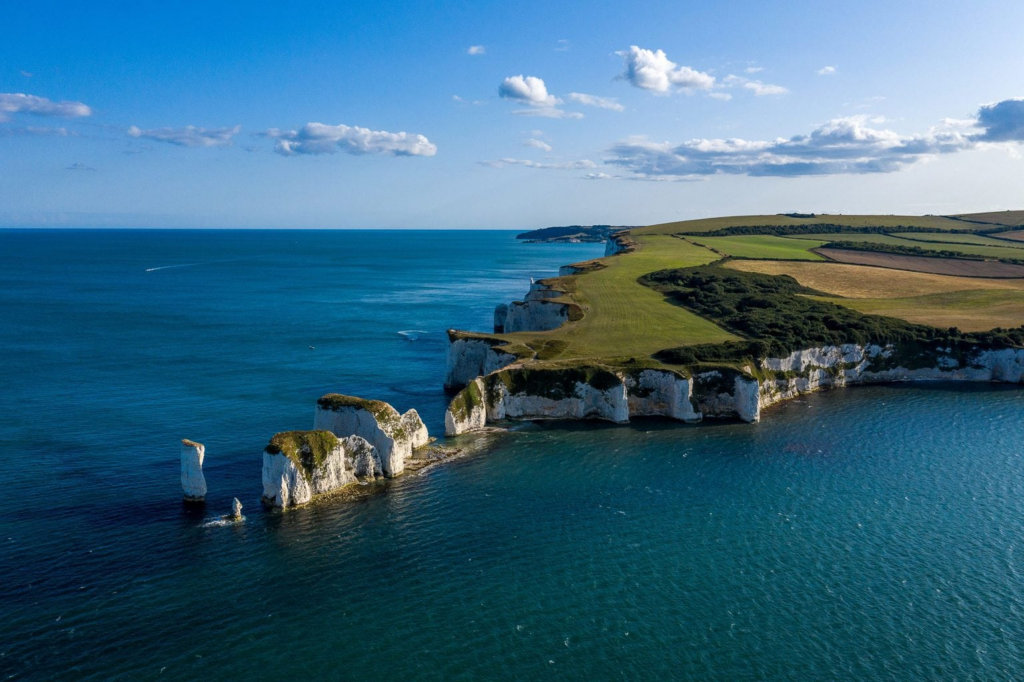
We invite you to discover one of Britain’s most enchanting destinations. This stunning peninsula in Dorset offers a remarkable combination of natural splendour, ancient heritage, and coastal magnificence. As your comprehensive travel guide, we’re here to unveil the treasures that make this corner of southern England truly extraordinary.
The region serves as a gateway to the Jurassic Coast, a UNESCO World Heritage Site renowned worldwide. Dramatic cliffs, fossil-rich beaches, and geological wonders spanning 185 million years create a landscape unlike any other. Whether you’re drawn to coastal walking routes with breathtaking vistas or charming villages steeped in history, this area delivers unforgettable experiences.
Our isle of Purbeck guide covers everything you need for an exceptional visit. We’ve curated information on accommodation ranging from luxury retreats to cosy countryside cottages. You’ll find details on cultural events like the celebrated Litfest, entertainment options, and the finest attractions that define Dorset tourism.
Join us as we explore this captivating peninsula. We’ll show you why it remains one of England’s most beloved destinations for travellers seeking natural beauty, geological significance, and authentic experiences.
Key Takeaways
- The peninsula is home to the Jurassic Coast, a UNESCO World Heritage Site featuring 185 million years of geological history
- Spectacular coastal walking routes traverse dramatic cliffs and offer stunning views across the English Channel
- Accommodation options range from luxury hotels to traditional cottages, suiting every budget and preference
- Cultural events including the renowned Litfest celebrate literature, arts, and local heritage throughout the year
- Fossil-rich beaches and unique rock formations make this a world-class destination for geology enthusiasts
- Historic villages showcase centuries of heritage, from medieval churches to traditional stone architecture
Welcome to Our Purbeck Adventure
Our love affair with this remarkable Dorset peninsula began years ago, and it deepens with every visit. We’ve walked every mile of its coastal paths, explored its hidden valleys, and discovered secrets that only locals typically know. Now, we’re delighted to share our insider knowledge with you.
The Purbeck Isle isn’t actually an island, though it certainly feels like one. This distinctive peninsula is bounded by water on three sides—the English Channel to the south, Poole Harbour to the north, and the River Frome to the west. This geographic separation creates a wonderfully distinct character that sets it apart from the rest of Dorset.
We understand that planning a visit to an unfamiliar region can feel overwhelming. Which attractions deserve your limited time? Where should you base yourself? What hidden gems might you miss without local guidance?
That’s precisely why we’ve created this comprehensive guide. Our mission is simple: to help you experience the very best of Purbeck whilst avoiding the tourist traps and disappointments. We’ve done the groundwork so you don’t have to.
What makes this coastal region so special is its incredible diversity. Whether you’re seeking adventure, tranquillity, history, or natural beauty, you’ll find it here. The dramatic Jurassic Coast attractions draw visitors from around the world, whilst quieter corners offer peaceful escapes that feel a world away from modern life.
| Visitor Type | What Purbeck Offers | Top Experiences |
|---|---|---|
| Adventure Seekers | Challenging coastal walks, water sports, and dramatic cliff-top paths | South West Coast Path sections, kayaking in sea caves, rock climbing |
| History Enthusiasts | Ancient castles, archaeological sites, and heritage villages | Corfe Castle ruins, fossil hunting, medieval church exploration |
| Nature Lovers | Protected reserves, rare wildlife, and stunning landscapes | RSPB Arne bird watching, woodland walks, wildflower meadows |
| Families | Safe beaches, accessible trails, and welcoming attractions | Swanage beach days, easy coastal walks, interactive heritage sites |
We’ve explored every village, tested the walking routes, sampled the local food, and visited the attractions during different seasons. Our recommendations come from genuine experience, not marketing brochures or second-hand information.
Throughout this guide, you’ll find practical details that make a real difference. We share accommodation options to suit every budget, from luxury spa retreats to family-friendly campsites. We highlight seasonal events including the celebrated Purbeck Litfest. We even cover evening entertainment options, because your perfect day shouldn’t end when the sun sets.
The sections that follow will take you deep into specific aspects of visiting the Purbeck Isle. You’ll discover the geological wonders of the Jurassic Coast, the charm of traditional villages, and the tranquillity of protected nature reserves. We’ll guide you to the best walking routes, recommend where to stay, and share cultural events that might coincide with your visit.
We’re confident that with our guidance, your Purbeck adventure will be everything you hope for and more. This special corner of England has given us countless memorable experiences, and we’re passionate about helping you create your own.
Exploring the Jurassic Coast Jewels
Purbeck’s position along the Jurassic Coast provides unparalleled access to world-famous natural landmarks and ancient geological treasures. This UNESCO World Heritage Site stretches for 95 miles, and our corner of Dorset offers some of its most spectacular sections. The dramatic cliffs, sculpted arches, and fossil-rich beaches here tell a story that spans 185 million years of Earth’s history.
We’ve explored these coastal wonders countless times, and each visit reveals something new. Whether you’re seeking iconic photography locations, hands-on geological experiences, or simply breathtaking scenery, the Jurassic Coast jewels accessible from Purbeck deliver unforgettable moments.
The Iconic Natural Arch and Perfect Horseshoe Bay
Durdle Door stands as one of England’s most photographed landmarks, and for excellent reason. This natural limestone arch has been carved by relentless waves over thousands of years, creating a formation that captivates photographers and visitors alike. The arch rises majestically from the turquoise waters, its pale stone contrasting beautifully against the deep blue sea.
We recommend arriving early morning or late afternoon for the best lighting conditions. The golden hour transforms Durdle Door into an ethereal spectacle, with warm light illuminating the limestone and casting dramatic shadows across the beach below.
Just a short walk eastward, Lulworth Cove presents a perfectly formed horseshoe bay. Coastal erosion has shaped this natural harbour through a fascinating process. Waves breached the resistant Portland limestone, then hollowed out the softer clays behind, creating the distinctive circular shape we see today.
Practical visiting information proves essential for making the most of your trip. Car parks sit approximately 800 metres from Durdle Door, requiring a moderately steep walk down (and back up). The walk takes about 15 minutes each way, and we suggest wearing comfortable footwear. Lulworth Cove offers easier access, with facilities including cafés, toilets, and the excellent Lulworth Cove Visitor Centre.
Photography enthusiasts should note that both locations can become crowded during peak summer months. Weekday visits or off-season exploration often provide more space and tranquillity. The beach at Durdle Door involves a steep stepped descent, so families with young children should plan accordingly.
Discovering Ancient Treasures and Earth’s Timeline
The geological attractions along our stretch of coast offer extraordinary opportunities for fossil hunting and understanding Earth’s deep history. Every layer of rock exposed in these cliffs represents a different chapter in our planet’s story, from tropical seas to desert conditions and back again.
Kimmeridge Bay ranks among our favourite locations for responsible fossil collecting. The dark shale ledges here contain beautifully preserved ammonites, belemnites, and occasionally more spectacular finds. We always follow the Fossil Code: never dig into cliffs, collect only from the beach, and take photographs of significant discoveries before reporting them to local museums.
Areas east of Lulworth also provide excellent hunting grounds. The key lies in searching through fallen material rather than disturbing the cliff face itself. After winter storms, fresh fossils often appear on the beaches, waiting to be discovered by patient searchers.
| Location | Best Fossils to Find | Access Difficulty | Best Visiting Time |
|---|---|---|---|
| Kimmeridge Bay | Ammonites, belemnites, marine reptile bones | Easy – gentle slope to beach | Low tide, winter months |
| Lulworth East | Gastropods, bivalves, echinoids | Moderate – rocky terrain | After storms, spring season |
| Worbarrow Bay | Plant fossils, trace fossils, ammonites | Moderate – coastal path access | Low tide, autumn period |
| Chapman’s Pool | Cretaceous fossils, shark teeth (rare) | Challenging – steep paths | Early morning, year-round |
Stair Hole, adjacent to Lulworth Cove, demonstrates geological processes with remarkable clarity. The Lulworth Crumple displays dramatically folded rock strata, showing how immense tectonic forces bent solid stone like fabric. We often bring visitors here first, as it provides an accessible introduction to geological concepts they’ll see throughout the Jurassic Coast.
Understanding these processes enriches every coastal walk. The Portland limestone, Purbeck limestone, and Wealden clays each tell different stories. Together, they create a natural travel guide through epochs when dinosaurs roamed and ancient seas teemed with now-extinct creatures.
Historical Landmarks Along the Shoreline
Beyond natural geological attractions, our coastline harbours fascinating heritage sites that reveal human interaction with this landscape across centuries. Kimmeridge’s medieval shale industry left visible traces that we can still explore today. The local “Kimmeridge coal” (actually oil shale) was worked extensively during Roman and medieval periods for jewellery, furniture, and fuel.
We find remnants of this industry scattered along the shore. Ancient working floors, waste heaps, and carved debris speak to centuries of craftsmanship. The Etches Collection Museum in Kimmeridge brilliantly contextualises these findings, displaying extraordinary fossils collected locally over decades.
Coastal defence structures from various periods dot the shoreline. Pillboxes from the Second World War occupy strategic positions, whilst earlier defences against Napoleonic threats remain visible at several points. These structures provide tangible connections to times when our coast required protection from very different threats than coastal erosion.
Interpretive centres enhance visitor understanding considerably. The Lulworth Cove Visitor Centre offers detailed geological explanations, interactive displays, and knowledgeable staff who answer questions enthusiastically. We recommend starting here before exploring the coast, as the context provided makes subsequent discoveries far more meaningful.
The Fine Foundation Wild Purbeck project has installed excellent interpretation boards at key locations. These weatherproof displays explain geological features, historical events, and wildlife habitats, transforming a simple coastal walk into an educational journey through deep time and human history.
Discovering the Isle of Purbeck Villages
Beyond the coastal attractions, Purbeck’s villages showcase centuries of history through their stone-built cottages and community spirit. These settlements offer more than picturesque scenery. They provide authentic glimpses into rural Dorset life where traditions endure and local character thrives.
Each village possesses its own personality and appeal. From peaceful valley hamlets to clifftop communities, the isle of purbeck guide reveals diverse experiences across compact distances. We’ve explored these Dorset villages extensively and discovered their unique qualities that make them essential stops on any Purbeck itinerary.
The warmth of local hospitality complements the architectural beauty. Village pubs serve as gathering places where visitors mingle with residents. Historic churches anchor communities that have evolved gradually over generations whilst maintaining their essential character.
A Peaceful Valley Settlement
Church Knowle nestles in a tranquil valley between the Purbeck ridges, offering respite from busier tourist destinations. This quintessential village epitomises rural Dorset with honey-coloured stone cottages lining quiet lanes. The settlement has retained its agricultural heritage whilst welcoming visitors who appreciate unspoilt countryside charm.
The Church of St Peter dominates the village centre with Norman origins dating back nine centuries. Its sturdy tower and ancient stonework tell stories of medieval craftsmanship. The churchyard provides peaceful contemplation spaces surrounded by rolling farmland vistas.
We find Church Knowle particularly appealing as a base for countryside exploration. Footpaths radiate from the village across the Purbeck Hills towards both coastal and inland attractions. The nearby countryside remains remarkably undeveloped, with traditional field patterns and hedgerows intact.
Local amenities maintain the community atmosphere without overwhelming the village’s tranquil character. The proximity to major Purbeck sites combined with genuine rural peace makes this settlement ideal for visitors seeking authentic experiences. Holiday cottages here offer the perfect balance between accessibility and seclusion.
Medieval Grandeur and Seaside Charm
Corfe Castle village spreads beneath the dramatic ruins of its namesake medieval fortress, creating one of England’s most iconic vistas. Steep streets lined with traditional Purbeck stone houses wind between the castle mound and surrounding hills. The settlement has grown around this strategic stronghold over countless generations.
The castle ruins themselves command attention from every vantage point. These towering fragments of Norman and medieval architecture dominate the landscape gaps in the Purbeck ridge. We recommend exploring both the fortress remains and the village streets to fully appreciate their intertwined histories.
Excellent tea rooms and local shops provide refreshment and distinctive shopping opportunities. The Swanage Railway terminus brings nostalgic steam locomotives into the village heart. This heritage railway connects Corfe Castle with Swanage, offering scenic journeys through the Purbeck countryside.
Swanage presents a different character as the region’s principal seaside resort. The Victorian pier extends into the bay, recently restored to its former glory. Sandy beaches attract families throughout summer months whilst the town maintains year-round appeal with museums and galleries.
Water sports facilities and boat trips operate from the seafront. The town centre combines traditional seaside amenities with quality restaurants and accommodation options. Swanage serves as an excellent base for visitors who want coastal access alongside proximity to inland Purbeck attractions.
Clifftop Character and Authentic Hospitality
Worth Matravers occupies a windswept position near the cliff edges south of the Purbeck ridge. This remote village has maintained extraordinary traditional character through its isolation and strong community bonds. Stone cottages cluster around the village pond, creating scenes that seem unchanged across decades.
The Square and Compass stands as one of Britain’s most celebrated traditional pubs. Beer and cider still flow through a hatch as they have for generations. We’ve enjoyed many evenings in this unique establishment where locals and visitors share benches in the simple front rooms or the garden with sweeping coastal views.
Freshly baked pasties complement the drinks selection. The pub’s unchanged practices and unpretentious atmosphere exemplify authentic village hospitality. Folk music sessions and community events regularly fill the space with warmth and conversation.
Traditional pubs throughout Purbeck villages serve similar vital community functions. These establishments preserve local character whilst welcoming visitors who appreciate genuine experiences. Many offer locally sourced food alongside carefully selected drinks, creating memorable evenings that extend beyond simple refreshment to cultural immersion.
Natural Beauty at Arne and the Encombe Estate
We discover some of our most memorable Purbeck experiences in the tranquil spaces where conservation meets natural beauty, particularly around Arne and the historic Encombe Estate. These protected landscapes showcase the region’s environmental significance and offer peaceful retreats from the busier coastal attractions. The contrast between actively managed nature reserves and carefully preserved historic estates creates diverse opportunities for exploration and appreciation of Purbeck’s natural heritage.
RSPB Arne Nature Reserve
The RSPB Arne Nature Reserve represents one of Britain’s finest remaining lowland heathlands, a globally rare habitat that makes this 500-hectare peninsula jutting into Poole Harbour internationally important. We find ourselves immersed in a landscape that has remained relatively unchanged for centuries, supporting specialised wildlife found in few other places. The reserve protects precious heathland, ancient woodland, saltmarsh, and shoreline habitats within a single accessible location.
Birdwatchers treasure Arne for its exceptional populations of rare heathland species. Dartford warblers, with their distinctive red eyes and long tails, flit through the gorse throughout the year. During summer months, we can hear the churring calls of nightjars at dusk and spot woodlarks performing their spiralling song flights.
The reserve offers several well-marked trails that wind through different habitats, each providing distinct wildlife encounters. The Shipstall Point trail takes us along the harbour shoreline, where wading birds probe the mudflats at low tide. Woodland paths reveal roe deer, all six native British reptile species, and spectacular displays of butterflies during warmer months.
Visitor facilities at Arne include a well-equipped reception area, viewing platforms, and bird hides strategically positioned for optimal wildlife observation. We recommend visiting during early morning or late afternoon for the most active wildlife periods. Spring brings nesting birds and wildflower blooms, whilst autumn offers stunning heather displays across the purple-tinged heathland.
Photography enthusiasts find remarkable opportunities throughout the seasons. The combination of dramatic skies, distinctive vegetation, and diverse wildlife creates constantly changing compositions. The reserve’s importance for conservation cannot be overstated—it serves as a crucial refuge for species struggling to survive in our increasingly developed landscape.
Encombe Estate’s Historic Landscapes
The Encombe Estate presents a contrasting approach to landscape preservation, showcasing grand 18th and 19th-century designed parkland that inspired generations of artists and writers. This magnificent privately-owned estate nestles in a picturesque valley that sweeps down towards the coast, creating vistas that captivated Romantic-era visitors. Though public access remains limited, we can appreciate its beauty from designated footpaths and coastal viewpoints.
The estate’s ornamental lakes, carefully positioned specimen trees, and architectural features represent the pinnacle of landscape design from its era. These elements were arranged to create specific views and emotional responses, transforming natural terrain into an artistic composition. The valley’s sheltered position creates a microclimate that supports lush vegetation rarely seen elsewhere in Purbeck.
Accessible coastal paths along the estate’s southern boundary offer glimpses of this designed landscape. We can observe how the parkland transitions into more natural coastal habitats, demonstrating the estate’s diverse ecological value. The buildings visible from public vantage points, including the distinctive estate cottages, showcase architectural styles that complement the natural setting.
The Encombe Estate reminds us that landscape conservation takes many forms. Whilst nature reserves focus on ecological management, historic estates preserve cultural heritage and demonstrate how humans have shaped the Purbeck countryside over centuries. Both approaches contribute valuable perspectives on our relationship with the natural world.
Wildlife Watching Opportunities
Beyond Arne and the Encombe Estate, the Purbeck isle offers numerous excellent locations for observing wildlife throughout the year. The region’s exceptional habitat diversity—from chalk cliffs to ancient woodlands, from heathlands to tidal estuaries—creates opportunities for encountering an impressive range of species. We’ve compiled insights from our nature watching experiences across different seasons to help visitors maximise their wildlife encounters.
Coastal cliffs provide nesting sites for seabirds including guillemots, razorbills, and kittiwakes during spring and summer months. Peregrine falcons hunt along these dramatic heights year-round. Woodland areas, particularly around Studland and inland valleys, host fallow deer, badgers, and spectacular butterfly populations including rare silver-studded blues on heathland margins.
Shoreline habitats around Poole Harbour attract thousands of wading birds during migration periods and winter months. We regularly observe curlews, redshanks, and black-tailed godwits feeding on the rich mudflats. Brent geese arrive in impressive numbers each autumn, their calls filling the air above the harbour’s calm waters.
| Season | Best Wildlife | Top Locations | Viewing Tips |
|---|---|---|---|
| Spring | Nesting seabirds, wildflowers, Dartford warblers | Arne Reserve, coastal cliffs, heathland areas | Early morning visits; bring binoculars for cliff-top viewing |
| Summer | Butterflies, nightjars, dragonflies, roe deer | Heathlands, woodland edges, freshwater pools | Late evening for nightjars; warm afternoons for butterflies |
| Autumn | Migrating birds, red squirrels, fungi, Brent geese | Harbour shorelines, mixed woodlands, coastal paths | Migration peaks late September; calm days best for harbour birds |
| Winter | Wading birds, wildfowl, harbour seals, overwintering raptors | Poole Harbour margins, estuaries, sheltered bays | Check tide times; low tide exposes feeding areas for waders |
Marine life around Purbeck’s coastline adds another dimension to wildlife watching opportunities. Common seals haul out on sheltered beaches, whilst dolphins occasionally patrol offshore waters. Rock pools reveal colourful anemones, crabs, and small fish during low tide periods.
We recommend carrying appropriate field guides, binoculars, and cameras to enhance your nature watching experiences. Respectful observation from appropriate distances ensures we don’t disturb sensitive species whilst still enjoying remarkable encounters. The diversity of habitats within such a compact area makes Purbeck exceptionally rewarding for wildlife enthusiasts of all experience levels.
Coastal Walking Routes We Recommend
Walking along Purbeck’s coast reveals landscapes that simply cannot be experienced from a car, with each footstep bringing new perspectives on this remarkable corner of Dorset. We’ve explored countless miles of coastal paths throughout the region, and we’re excited to share our favourite walking routes that showcase the area’s natural beauty. Whether you’re an experienced hiker seeking challenging terrain or a family looking for gentle strolls, Purbeck’s coastal walks offer something for everyone.
The variety of trails available means you can tailor your walking experience to match your fitness level and available time. From dramatic cliff-top sections of the National Trail to peaceful beach walks suitable for young children, our travel guide highlights routes that reveal the Jurassic Coast’s geological wonders and stunning seascapes.
National Trail Sections Through Purbeck
The South West Coast Path sections traversing Purbeck rank among the most spectacular stretches of England’s longest National Trail. This challenging but immensely rewarding route takes walkers along towering chalk cliffs, past isolated coves, and through constantly changing geological formations that tell millions of years of Earth’s history.
The segment from Lulworth Cove westward to Kimmeridge and Chapman’s Pool presents some of the most dramatic coastal scenery in southern England. This 11-mile section typically takes experienced walkers between 5 and 6 hours to complete. The terrain includes steep ascents and descents, with the path climbing to over 150 metres above sea level at several points.
St Aldhelm’s Head represents one of the Coast Path’s true highlights, offering panoramic views across the English Channel. From here, the trail continues eastward to Swanage, passing through Worth Matravers and along clifftops that provide breathtaking vistas. This 8-mile stretch takes approximately 4 hours and rewards walkers with sightings of seabirds, wildflowers, and occasionally dolphins offshore.
Seasonal considerations significantly affect walking conditions along these routes. Summer offers the longest days and warmest weather, but paths become busier with visitors. Spring and autumn provide excellent walking conditions with fewer crowds, whilst winter walks offer dramatic seascapes and clearer air, though paths can become muddy and daylight hours are limited.
Circular Routes Starting from Swanage
We particularly recommend several circular walks from Swanage that combine coastal paths with inland return routes through picturesque countryside. These loops allow you to experience diverse landscapes whilst starting and finishing at the same location, making logistics considerably easier.
The walk to Durlston Country Park encompasses approximately 3 miles and takes around 90 minutes at a leisurely pace. This route leads you past Durlston Castle, built in the Victorian era, and the historic lighthouse perched on the clifftop. The excellent visitor centre provides fascinating information about the area’s wildlife and geology, making this an educational as well as scenic excursion.
A longer circular walk connects Swanage with the dramatic ruins of Corfe Castle, covering roughly 8 miles through rolling Purbeck hills. This 4-hour route offers stunning views of the castle from multiple angles as you approach through farmland and ancient pathways. The return journey can incorporate a stop in Corfe village for refreshments before completing the loop back to Swanage.
Coastal loops combining cliff paths with village return routes provide variety within a single walk. These routes typically range from 5 to 7 miles and showcase Purbeck’s contrast between dramatic coastline and gentle inland landscapes. Many incorporate traditional pubs at the halfway point, perfect for a well-earned rest.
Accessible Trails for All Abilities
Not every coastal walk needs to be an endurance test, and we’ve identified several family-friendly coastal trails that allow everyone to enjoy Purbeck’s maritime beauty. These routes prioritise accessibility whilst still delivering memorable experiences of the Jurassic Coast.
The level path around Lulworth Cove provides an easy 1-mile stroll suitable for pushchairs and wheelchairs. This gentle route offers stunning views of the horseshoe-shaped bay whilst remaining accessible to visitors with limited mobility. Interpretation boards along the way explain the geological processes that created this natural wonder.
Kimmeridge Bay features accessible sections near its excellent marine centre, with relatively flat paths that allow families with young children to explore tide pools and fossil-rich beaches safely. The facilities here include toilets, parking, and educational displays about marine life, making it ideal for a half-day family outing.
Studland’s beach walks represent perhaps the easiest coastal walking in Purbeck, with miles of sandy shoreline backed by gentle dunes. The firm sand at low tide creates a natural walking surface suitable for all abilities. Facilities including cafes, toilets, and lifeguard-patrolled swimming areas make this an excellent choice for families seeking a relaxed coastal experience.
| Walking Route | Distance | Duration | Difficulty Level | Key Highlights |
|---|---|---|---|---|
| Lulworth to Kimmeridge Coast Path | 11 miles | 5-6 hours | Challenging | Dramatic cliffs, Chapman’s Pool, geological formations |
| St Aldhelm’s Head to Swanage | 8 miles | 4 hours | Moderate to Challenging | Panoramic views, seabird colonies, coastal villages |
| Swanage to Durlston Circular | 3 miles | 90 minutes | Easy to Moderate | Victorian castle, lighthouse, visitor centre |
| Swanage to Corfe Castle Loop | 8 miles | 4 hours | Moderate | Castle ruins, countryside views, village pubs |
| Lulworth Cove Accessible Path | 1 mile | 30 minutes | Easy (Wheelchair Accessible) | Horseshoe bay, geological displays, level terrain |
Where to Stay in Purbeck
After years of exploring this corner of Dorset, we’ve learned that exceptional accommodation enhances every Purbeck adventure. The range of holiday accommodation across the Isle of Purbeck truly caters to every preference and budget. From country house luxury to traditional campsites, your choice of base shapes the entire experience of discovering this remarkable coastal region.
We’ve compiled this comprehensive isle of purbeck guide to help you select accommodation that perfectly matches your travel style. Whether you’re seeking pampering spa treatments, authentic village hospitality, independent self-catering freedom, or outdoor camping experiences, Purbeck delivers memorable places to stay.
Luxury Hotels and Spa Retreats
Purbeck’s premium establishments offer exceptional comfort combined with spectacular settings. Country house hotels nestled in private estates provide fine dining restaurants showcasing local Dorset produce. Many feature award-winning spa facilities where you can unwind after exploring coastal paths and historic villages.
We particularly appreciate hotels with sea views across Swanage Bay and Poole Harbour. These properties combine historic architecture with contemporary amenities. Knowledgeable concierge teams enhance your stay by arranging exclusive experiences like private fossil hunting tours or yacht excursions.
Converted manor houses set in rolling Purbeck countryside offer peaceful luxury retreats. You’ll find beautiful gardens, outdoor heated pools, and treatments using locally sourced ingredients. Many luxury hotels provide complimentary activities such as estate walks, croquet, and afternoon tea in elegant lounges.
Cosy B&Bs and Guesthouses
The warm hospitality of Purbeck’s bed and breakfast establishments creates wonderfully personal stays. Local hosts share insider knowledge about hidden beaches, quieter walking routes, and the best times to visit popular attractions. Their recommendations often lead to our most memorable discoveries.
Characterful guesthouses occupy period buildings in villages like Corfe Castle and Worth Matravers. Comfortable rooms feature thoughtful touches reflecting the region’s heritage. Hearty breakfasts include locally produced eggs, sausages from nearby farms, and homemade preserves.
We find these smaller properties ideal for experiencing authentic Purbeck life. Hosts frequently arrange special requests like packed lunches for coastal walks or early breakfasts before fossil hunting expeditions. The genuine welcome and attention to detail make B&Bs exceptional value for money.
Self-Catering Holiday Cottages
Renting your own cottage provides wonderful flexibility for Purbeck holidays. Traditional stone cottages in Church Knowle and Kingston offer village living with modern conveniences. Contemporary apartments in Swanage place you steps from beaches and harbourside restaurants.
Self-catering accommodation suits families particularly well. You control meal times, accommodate dietary requirements easily, and enjoy spacious living areas. Many cottages welcome dogs, allowing your whole family to explore Purbeck’s pet-friendly beaches and walking trails together.
Longer stays become more economical in self-catering properties. You shop at farmers’ markets, prepare picnics for coastal adventures, and experience daily life like a local resident. Properties range from cosy one-bedroom retreats to large farmhouses sleeping extended families.
Booking through reputable agencies ensures quality standards and local support. Look for cottages with private gardens, wood-burning stoves, and well-equipped kitchens. Many feature special amenities like hot tubs, coastal views, or proximity to specific attractions.
Camping and Glamping Sites
Outdoor accommodation options connect you directly with Purbeck’s natural beauty. Traditional campsites near the coast provide basic facilities for tent campers and touring caravans. Waking to birdsong and falling asleep beneath star-filled skies creates magical holiday memories.
Glamping elevates camping with comfortable furnishings and proper beds. Safari tents, shepherd’s huts, and luxury pods combine outdoor living with welcome comforts. Many glamping sites offer private bathrooms, wood-fired hot tubs, and fire pits for evening gatherings.
We recommend sites with particularly scenic locations overlooking the Jurassic Coast or nestled in Purbeck’s peaceful valleys. Family-friendly campgrounds provide play areas, on-site shops, and organised activities during school holidays. Smaller, quieter sites suit couples seeking tranquil escapes.
Camping and glamping offer excellent value, especially for families. You save considerably on accommodation costs whilst enjoying direct access to outdoor adventures. Most sites welcome campfires, creating atmospheric evenings sharing stories of the day’s explorations.
| Accommodation Type | Best For | Average Price Range | Key Benefits |
|---|---|---|---|
| Luxury Hotels | Romantic breaks, special occasions | £150-£350 per night | Spa facilities, fine dining, full service, premium locations |
| B&Bs and Guesthouses | Couples, solo travellers | £80-£140 per night | Personal service, local knowledge, hearty breakfasts, character properties |
| Self-Catering Cottages | Families, longer stays, groups | £400-£1,200 per week | Flexibility, space, kitchen facilities, authentic village living |
| Camping and Glamping | Budget travellers, nature lovers, adventurous families | £20-£120 per night | Outdoor connection, value for money, scenic locations, pet-friendly |
Choosing the right Purbeck accommodation depends on your priorities and travel companions. Luxury seekers appreciate hotel pampering and gourmet cuisine. Those valuing personal connections prefer B&B hospitality and local recommendations.
Families often find self-catering cottages provide best value and convenience. Outdoor enthusiasts embrace camping’s simplicity and proximity to nature. Whatever you choose, booking early ensures availability during peak seasons and popular event weekends.
Our experience across various accommodation types reveals that Purbeck hosts consistently deliver warm welcomes and helpful guidance. They take genuine pride in sharing their special corner of Dorset. This hospitality transforms good holidays into outstanding adventures you’ll remember for years.
Cultural Events and the Purbeck Litfest
Beyond the dramatic coastline and rolling hills, purbeck isle hosts a vibrant cultural scene that enriches every visit with intellectual and creative experiences. We find that engaging with the region’s literary festivals, traditional markets, and artistic workshops creates deeper connections to the landscapes and communities that make Purbeck special. Throughout the year, cultural events bring residents and visitors together in celebration of creativity, heritage, and local talent.
Annual Purbeck Litfest Highlights
The Purbeck Litfest has become one of Dorset’s most anticipated literary gatherings, drawing acclaimed authors and enthusiastic readers to intimate venues across the region each spring. Typically held in May, the festival transforms village halls, historic buildings, and coastal locations into spaces for literary discussion and discovery. We appreciate how the event balances household names with emerging voices, creating a programme that appeals to diverse reading tastes.
Programme strands at Purbeck Litfest span fiction, poetry, nature writing, history, and biography. Authors participate in readings, panel discussions, and conversations that allow audiences to engage closely with creative minds. The festival’s emphasis on landscape and place resonates particularly strongly here, where dramatic geology and coastal beauty inspire countless writers and artists.
Venues range from the atmospheric surroundings of Corfe Castle to community spaces in Swanage and Worth Matravers. This distribution across the peninsula means festival-goers explore different villages whilst attending events. Many sessions sell out quickly, so we recommend booking tickets early through the official Purbeck Litfest website.
The intimate scale distinguishes this festival from larger literary events. Audiences often number dozens rather than hundreds, creating opportunities for meaningful exchanges with authors. Post-event book signings allow personal interactions that make literary encounters memorable and enriching.
Local Markets and Seasonal Festivals
Purbeck’s calendar features regular farmers’ markets showcasing the peninsula’s agricultural heritage and artisan food producers. Swanage hosts monthly markets where we find locally reared meat, fresh vegetables, homemade preserves, and baked goods. These gatherings provide chances to meet the people behind Purbeck’s food culture whilst stocking up on ingredients for self-catering accommodation.
Seasonal local festivals celebrate community traditions throughout the year. Corfe Castle stages medieval-themed events that bring history to life with costumed performances, demonstrations of historical crafts, and traditional music. Summer fetes in villages like Church Knowle maintain generations-old customs with fêtes, garden parties, and sports days that welcome visitors into local life.
Craft fairs appear in village halls across the peninsula, particularly during spring and autumn. These events showcase textiles, pottery, woodwork, jewellery, and paintings created by Purbeck artisans. We find these fairs excellent for discovering unique souvenirs that carry authentic connections to the region and support local creative economies.
| Event Type | Location | Typical Timing | Key Features |
|---|---|---|---|
| Swanage Farmers’ Market | Main Beach Car Park | First Saturday monthly | Local produce, artisan foods, fresh vegetables |
| Corfe Castle Medieval Events | Corfe Castle Village | Summer weekends | Historical performances, traditional crafts, costumed displays |
| Church Knowle Summer Fête | Village Green | Late July | Community games, local food stalls, traditional entertainment |
| Worth Matravers Craft Fair | Village Hall | Spring and Autumn | Handmade jewellery, pottery, textiles, local artwork |
Art Galleries and Craft Workshops
Purbeck’s artistic community thrives in studios and galleries scattered across the peninsula. Many artists draw inspiration from the region’s geology, coastal drama, and changing light. We recommend visiting galleries in Swanage and Langton Matravers, where exhibitions rotate throughout the year, featuring paintings, sculptures, and mixed media works that interpret local landscapes.
Several studios welcome visitors to watch artisans at work. Potters shape clay influenced by Purbeck’s ancient limestone and shale. Textile artists weave patterns echoing coastal grasses and chalk downland flowers. These open studios provide insights into creative processes whilst supporting makers who contribute to the region’s cultural richness.
Hands-on workshops offer visitors chances to develop their own creative skills in inspiring settings. Painting courses take participants to coastal viewpoints where they capture seascapes under expert guidance. Stone carving workshops introduce traditional techniques using Purbeck marble. Photography walks explore the peninsula’s most photogenic locations with professional instruction.
We find that participating in cultural events adds meaningful dimensions to Purbeck visits. Literary discussions deepen appreciation of the landscapes that inspire writers. Market visits connect travellers with local producers and traditions. Creative workshops provide lasting memories and tangible reminders of time spent in this culturally vibrant corner of Dorset.
Evening Entertainment and Relaxation Options
Our evenings in Purbeck offer something special for everyone, whether you prefer traditional pub culture or modern entertainment options. After exploring coastal paths and historic villages during the day, visitors can choose from diverse evening activities that suit their personal tastes. From characterful public houses serving exceptional local food to digital leisure pursuits enjoyed from comfortable accommodation, the range of relaxation choices reflects how modern holidaymakers spend their time.
We recognise that evenings provide precious moments to unwind and reflect on the day’s adventures. The entertainment options available across Purbeck accommodate different moods and preferences. Some guests seek the warmth of a crackling fire in a centuries-old inn, whilst others prefer the convenience of digital entertainment accessed through their devices.
Traditional Purbeck Pubs and Dining Experiences
The public houses scattered throughout Purbeck represent some of the finest examples of traditional British hospitality we’ve encountered. These establishments blend history, atmosphere and excellent food into memorable experiences. Many occupy buildings that have served the community for centuries, their stone walls and ancient beams creating spaces where time seems to slow down.
The Square and Compass in Worth Matravers stands as perhaps our favourite example. This National Trust-owned pub has operated since 1776 and remains remarkably unchanged. Visitors order through a hatch, carry their drinks to rustic tables, and enjoy homemade pasties whilst gazing across rolling countryside.
Corfe Castle village boasts several excellent pubs within sight of the castle ruins. The Greyhound Inn and The Castle Inn both offer cosy interiors with open fires during winter months. Their menus showcase Dorset produce including locally caught fish, Purbeck game, and cheeses from nearby producers.
Swanage provides more contemporary pub experiences alongside traditional options. Several establishments feature live music on weekends, creating lively atmospheres that attract both visitors and locals. The waterfront locations mean some venues offer stunning sunset views across the bay whilst you enjoy your meal.
Dining experiences extend beyond pubs to include restaurants that have earned reputations for culinary excellence. Chefs throughout Purbeck create innovative menus that celebrate the region’s exceptional ingredients. Fresh seafood arrives daily from local boats, whilst farms supply organic vegetables and rare-breed meats that define modern British cuisine.
Online Casino Entertainment and Gaming
Modern connectivity means guests can access online casino platforms from their accommodation as an evening relaxation option. Many visitors enjoy this form of digital entertainment after active days spent walking coastal paths or exploring historic sites. The convenience of accessing gaming through smartphones or tablets fits naturally into contemporary leisure habits.
Online casino entertainment has become a mainstream activity for those who appreciate games of chance and skill. From slot games to card tables, these platforms offer variety that appeals to different preferences. Some guests spend an hour or two trying their luck at virtual roulette wheels or blackjack tables as they unwind before bed.
We understand that gaming represents just one of many evening activities visitors might choose. The quality of internet connectivity across Purbeck’s accommodation providers means those interested can access their preferred platforms without difficulty. This option particularly suits guests who enjoy this form of entertainment at home and wish to continue during their holiday.
Responsible gaming remains important, and reputable platforms provide tools to help users manage their time and spending. For those who appreciate this leisure activity, the ability to enjoy it whilst on holiday adds another dimension to evening relaxation options.
Sports Betting and Watching Live Sporting Events
Sports enthusiasts needn’t miss important matches or events whilst visiting Purbeck. Several pubs throughout the area have invested in large screens and sports packages that broadcast major football, rugby, cricket and other competitions. These venues create convivial atmospheres where fans gather to watch their teams compete.
The social aspect of watching sport in a pub environment enhances the experience considerably. Sharing the excitement of a crucial goal or try with fellow supporters creates memorable moments. Many establishments offer special food and drink promotions during major tournaments, making match days particularly enjoyable.
Sports betting apps allow interested visitors to place wagers on events through their mobile devices. This convenience means those who enjoy predicting match outcomes can continue this hobby whilst holidaying. Several pubs welcome discussions about form, odds and predictions amongst patrons who appreciate this dimension of sports engagement.
We’ve noticed that major sporting occasions often bring communities together in local venues. International rugby matches, Champions League football, and cricket test series all draw crowds to pubs equipped for sports viewing. The atmosphere during these events showcases the passion British sports fans bring to their favourite pastimes.
Theatre, Cinema and Live Music Venues
Cultural performances provide another excellent evening option for those seeking live entertainment. The Mowlem Theatre in Swanage serves as Purbeck’s premier venue for theatrical productions, comedy shows, and cinema screenings. This historic theatre hosts touring productions alongside local amateur dramatic societies whose performances often surprise visitors with their quality.
Cinema screenings at the Mowlem offer a charming alternative to modern multiplexes. The intimate auditorium creates a community atmosphere where films feel like shared experiences rather than anonymous viewings. Current releases alternate with classic films and art house productions that appeal to diverse tastes.
Live music venues across Purbeck showcase remarkable talent ranging from traditional folk musicians to contemporary bands. Pubs in Swanage and Wareham regularly feature live performances that transform quiet evenings into memorable musical experiences. The acoustics in stone-walled rooms enhance intimate performances by singer-songwriters and small ensembles.
Summer months bring outdoor performances to atmospheric locations throughout Purbeck. Open-air theatre productions in historic settings, concerts in church grounds, and festivals celebrating various musical traditions all contribute to a vibrant cultural calendar. These events let us combine our appreciation for Purbeck’s natural beauty with quality entertainment.
| Entertainment Type | Best Locations | Typical Experience | Booking Requirements |
|---|---|---|---|
| Traditional Pub Dining | Worth Matravers, Corfe Castle, Swanage | Local cuisine, historic atmosphere, community feel | Walk-ins accepted, bookings recommended weekends |
| Live Sports Viewing | Swanage and Wareham pubs | Large screens, social atmosphere, food specials | No booking needed, arrive early for major events |
| Theatre Productions | Mowlem Theatre, Swanage | Drama, comedy, cinema in historic venue | Advance booking recommended |
| Live Music | Various pubs and seasonal outdoor venues | Folk to contemporary, intimate settings | Most free entry, some ticketed events |
The diversity of evening entertainment across Purbeck ensures that every visitor finds ways to relax that match their preferences. Whether you’re drawn to the timeless appeal of a traditional pub, the convenience of digital gaming, the excitement of live sports, or the cultural richness of theatre and music, our corner of Dorset delivers quality experiences. These options complement the daytime attractions that make Purbeck such a compelling destination, creating well-rounded holidays where each evening offers new possibilities for enjoyment and relaxation.
Planning Your Visit to Our Corner of Dorset
We recommend considering seasonal timing when visiting Purbeck. Spring brings wildflowers and nesting seabirds. Summer offers perfect beach weather and festivals. Autumn provides dramatic coastal light. Winter creates atmospheric storm-watching opportunities and cosy evenings in traditional pubs.
Transport options include the A351 road route, though parking becomes challenging during peak periods. The Swanage Railway offers both charm and practical connections. Local bus services link villages and coastal points throughout the area.
For trip planning, weekend breaks provide introductions to Dorset tourism highlights. We suggest longer stays to experience the full diversity of attractions, complete substantial coastal walks, and appreciate village rhythms properly.
Essential items for your travel guide checklist include sturdy walking boots for coastal paths, weather-appropriate clothing for changeable conditions, cameras for capturing scenery, and fossil-hunting equipment if beachcombing interests you.
During high-demand periods, advance bookings for accommodation and restaurants become necessary. Choose locations based on your priorities—coastal access, village atmosphere, or central positions for exploring multiple sites.
We invite you to use our comprehensive resource whilst discovering this exceptional destination. Each season reveals different aspects of the landscape, wildlife, and local culture, making return visits rewarding experiences.
FAQ
What makes Purbeck an essential destination for visitors to Dorset?
Purbeck offers an extraordinary combination of natural beauty, geological significance, and cultural heritage that distinguishes it from other Dorset destinations. As a gateway to the Jurassic Coast UNESCO World Heritage Site, the region features world-famous landmarks including Durdle Door and Lulworth Cove, dramatic coastal formations exposing 185 million years of Earth’s history, and exceptional fossil-hunting opportunities. Beyond its geological treasures, Purbeck enchants visitors with charming villages built from local stone, spectacular coastal walking routes along the South West Coast Path, important wildlife habitats at RSPB Arne, and a vibrant cultural calendar including the celebrated Purbeck Litfest. The peninsula’s unique character—bounded by water on three sides yet easily accessible—creates a sense of discovery and separation from everyday life whilst offering comprehensive visitor facilities from luxury accommodation to traditional pubs serving local cuisine.
How can we explore the Jurassic Coast from Purbeck?
Purbeck provides exceptional access to some of the Jurassic Coast’s most spectacular sections through multiple approaches. Coastal walking along the South West Coast Path offers the most immersive experience, with routes from Lulworth Cove through Kimmeridge to Chapman’s Pool and around St Aldhelm’s Head revealing constantly changing geological formations and breathtaking views. For those preferring shorter excursions, specific destinations like Durdle Door, Lulworth Cove, and Kimmeridge Bay offer accessible viewpoints with parking facilities nearby. We recommend visiting interpretive centres including the one at Kimmeridge that explain the geological processes visible in the surrounding cliffs. Fossil hunting remains popular at designated beaches—particularly east of Lulworth and at Kimmeridge—where visitors following the Fossil Code can search for ammonites, belemnites, and other specimens. Guided walks and geology tours led by knowledgeable local experts provide deeper understanding of the 185-million-year timeline exposed along these remarkable shores.
Which Purbeck villages should we visit during our stay?
Each Purbeck village offers distinctive character and attractions worth exploring. Church Knowle represents quintessential rural Dorset—a peaceful valley settlement with beautiful stone cottages, the historic Church of St Peter with Norman origins, and an authentic community atmosphere that appeals to visitors seeking tranquillity away from busier tourist centres. Corfe Castle dominates its village with dramatic medieval ruins rising above steep streets lined with traditional Purbeck stone houses, excellent tea rooms, and the nostalgic Swanage Railway. Worth Matravers attracts visitors to the legendary Square and Compass pub, still serving through a hatch as it has for generations, whilst offering spectacular clifftop locations for coastal walks. Swanage functions as Purbeck’s seaside resort with its Victorian pier, sandy beach, museums, and comprehensive visitor facilities. Smaller settlements like Kimmeridge and Tyneham (the abandoned village within the MOD ranges, open on specific dates) provide additional discoveries for those exploring thoroughly.
What wildlife can we observe at RSPB Arne Nature Reserve?
RSPB Arne protects 500 hectares of internationally significant lowland heathland jutting into Poole Harbour, supporting exceptional wildlife diversity across different habitats. The heathland areas host rare breeding birds including Dartford warblers with their distinctive churring calls, nightjars that can be heard during summer evenings, and woodlarks. Woodland sections provide habitat for all three British woodpecker species, whilst saltmarsh and coastal areas attract wading birds and wildfowl depending on season and tide conditions. Throughout the year, visitors might observe roe deer, introduced sika deer, numerous butterfly species including silver-studded blues on the heathland, common lizards basking on sunny paths, and smooth snakes (Britain’s rarest reptile). The reserve’s varied trails—through heathland, woodland, and along the harbour shoreline—offer different wildlife experiences, with spring and early summer particularly rewarding for birdsong and breeding activity, whilst autumn and winter bring different species and atmospheric landscapes across the open heath.
What are the best coastal walking routes in Purbeck for experienced walkers?
Experienced walkers will find Purbeck’s South West Coast Path sections amongst England’s most rewarding and challenging coastal routes. The stretch from Lulworth Cove to Kimmeridge traverses dramatic chalk and limestone cliffs with significant elevation changes, passing geological wonders including Stair Hole and Worbarrow Bay, requiring good fitness and several hours to complete. The section around St Aldhelm’s Head from Chapman’s Pool towards Swanage offers spectacular clifftop walking with expansive views across the English Channel, passing the isolated Norman chapel at St Aldhelm’s Head and dramatic rock formations. For particularly ambitious walkers, combining multiple sections creates full-day expeditions experiencing Purbeck’s coastal diversity—the geology transitions from chalk through Purbeck limestone to different formations, whilst landscapes shift from towering cliffs to intimate coves. We recommend proper walking boots given uneven terrain, weather-appropriate clothing for exposed clifftop conditions, sufficient water and provisions as facilities are limited along remote sections, and careful attention to path conditions as coastal erosion occasionally affects routes.
How do we choose the right accommodation for our Purbeck holiday?
Selecting ideal accommodation depends on your priorities, travel style, and group composition. Luxury hotels and spa retreats suit visitors seeking comfort, on-site dining featuring local produce, wellness facilities for relaxation after active days, and convenient locations with knowledgeable staff who enhance your Purbeck experience through insider recommendations. Cosy B&Bs and guesthouses provide warm hospitality, personal service, characterful period buildings, hearty breakfasts, and hosts who share detailed local knowledge—particularly appealing for couples and those valuing authentic interactions. Self-catering holiday cottages offer flexibility and value, especially for families and longer stays, ranging from traditional stone cottages in villages like Church Knowle to modern apartments in Swanage, allowing you to experience Purbeck life more authentically whilst managing your own schedule and catering preferences. Camping and glamping sites appeal to outdoor enthusiasts and those seeking budget-friendly options or unique experiences in safari tents and luxury pods with scenic settings. Location matters significantly—coastal positions suit beach enthusiasts and those prioritising sea views, village locations provide authentic community atmosphere and access to local pubs, whilst central bases facilitate exploring Purbeck’s full diversity without excessive driving.
What is the Purbeck Litfest and when does it take place?
The Purbeck Litfest has established itself as an increasingly celebrated literary festival bringing acclaimed authors, poets, nature writers, and speakers to intimate venues throughout the region, typically during late spring. The festival’s distinctive character combines established literary names with emerging talents across diverse programme strands—fiction, poetry, nature writing, history, and discussions exploring landscape and place. Events take place in atmospheric settings ranging from village halls to coastal locations, creating opportunities for audiences to engage closely with writers in ways impossible at larger festivals. The emphasis on landscape and environmental themes creates natural connections between literary discussions and the stunning Purbeck settings that inspire writers and artists. Recent festivals have featured significant names from British literature alongside specialist sessions on topics from marine conservation to local history. For visitors interested in cultural experiences beyond Purbeck’s natural attractions, timing a trip to coincide with Litfest adds intellectual stimulation and opportunities to meet like-minded enthusiasts whilst exploring the landscapes discussed in festival events.
Where can we enjoy traditional Purbeck pub experiences?
Purbeck’s traditional pubs represent cultural treasures offering authentic local experiences alongside excellent refreshment. The Square and Compass in Worth Matravers stands as perhaps Britain’s most celebrated unspoilt pub—still serving cider and beer through a hatch, with simple but excellent pasties, a fossil museum in the back room, and a clifftop location with spectacular views. Corfe Castle’s pubs provide atmospheric settings beneath the dramatic castle ruins, serving hearty meals in historic buildings where locals and visitors mingle. Swanage offers pubs ranging from traditional locals with open fires and centuries of history to establishments featuring live music and contemporary dining. The Banks Arms in Studland combines excellent food with a beautiful position near the beach. Church Knowle and other villages maintain community pubs where warm welcomes and local knowledge enhance every visit. We recommend trying Purbeck’s local produce in these establishments—fresh seafood from nearby waters, game from surrounding estates, and artisan products celebrating Dorset’s culinary heritage. Many pubs occupy buildings constructed from local Purbeck stone, contributing to the distinctive architectural character whilst providing cosy atmospheres for relaxing evenings after days exploring the coast and countryside.
What online casino and gaming entertainment options are available to visitors?
Modern connectivity throughout Purbeck allows visitors to access online casino platforms and gaming entertainment from their accommodation as evening relaxation, particularly after active days exploring coastal paths and attractions. Online casino sites offer diverse options from slots and table games to live dealer experiences, providing entertainment for those who enjoy gaming as part of their leisure activities. Reputable platforms ensure secure transactions and responsible gaming features, allowing visitors to set limits and control their entertainment spending. Many travellers incorporate online gaming into their evening routines alongside reading, streaming services, or other indoor relaxation, finding it a convenient option when weather limits outdoor activities or after returning from dinner in local restaurants. The availability of sports betting apps similarly allows sports enthusiasts to stay connected to their interests whilst holidaying, placing wagers on football, racing, or other events from the comfort of holiday accommodation. We emphasise responsible approaches to all gaming and betting activities, treating them as entertainment rather than income sources, and balancing digital pursuits with the authentic local experiences—traditional pubs, cultural events, and social interactions—that make Purbeck visits truly memorable.
Where can sports fans watch live sporting events in Purbeck?
Sports enthusiasts visiting Purbeck can stay connected to major sporting events through pubs and venues throughout the region that broadcast football, rugby, cricket, and other competitions on screens. Swanage, as Purbeck’s largest settlement, offers several establishments showing live sports, creating convivial atmospheres where locals and visitors gather to watch important matches and tournaments. Traditional pubs in Corfe Castle and other villages often screen major sporting occasions, combining sports viewing with excellent local ales and hearty pub food. The social aspect of watching sport whilst travelling adds dimensions to holiday experiences—conversations with local supporters, experiencing regional sporting loyalties, and sharing excitement during significant matches. For those interested in sports betting, modern apps allow placing wagers on events from anywhere with internet connectivity, though we encourage treating betting as entertainment with appropriate limits rather than serious pursuit during holidays. Some visitors time Purbeck trips around major sporting calendars—Six Nations rugby, Premier League football seasons, or summer cricket—combining outdoor exploration during days with evening sports viewing and social atmosphere in welcoming local establishments.
What cultural venues and live entertainment can we experience in Purbeck?
Beyond its natural attractions, Purbeck offers cultural venues and live entertainment enriching visitor experiences. The Mowlem Theatre in Swanage serves as the region’s primary performance venue, hosting diverse programming from theatrical productions and comedy shows to cinema screenings and musical performances throughout the year. The historic building itself contributes charm to cultural evenings. Art galleries throughout Purbeck display works inspired by local landscapes—coastal scenes, geological formations, and village life interpreted through various media by talented regional artists. Several galleries welcome visitors to studios where they can observe creative processes. Live music venues range from pubs hosting traditional folk sessions and acoustic performers to occasional larger concerts in atmospheric settings. Seasonal outdoor performances take advantage of Purbeck’s dramatic locations—open-air theatre in castle grounds, musical events on beaches during summer months, and cultural celebrations in village squares. Craft workshops offer hands-on experiences where visitors can try pottery, painting, textiles, or stone carving under expert guidance, creating personal souvenirs whilst learning traditional skills. This cultural richness demonstrates that Purbeck rewards intellectual and artistic curiosity alongside its obvious appeal to outdoor enthusiasts and nature lovers.
What is the best time of year to visit Purbeck?
Purbeck rewards visitors throughout the year, with each season offering distinctive appeals and experiences. Spring brings wildflower displays across coastal paths and nature reserves, nesting seabirds on cliffs, longer days for extended walks, and the Purbeck Litfest adding cultural highlights. Temperatures become comfortable for outdoor activities whilst visitor numbers remain manageable outside school holidays. Summer offers classic beach weather, warmest sea temperatures for swimming, extended opening hours at attractions, outdoor festivals and events, and long evening light for sunset coastal walks—though accommodation and parking face highest demand requiring advance booking. Autumn delivers dramatic coastal light beloved by photographers, harvest celebrations featuring local produce, comfortable walking temperatures without summer heat, spectacular storm-watching opportunities, and reduced visitor numbers creating peaceful village atmospheres. Winter appeals to those seeking authentic experiences—cosy pub evenings beside open fires, atmospheric coastal walks with dramatic weather, excellent value accommodation rates, and opportunities to experience Purbeck as locals do throughout quieter months. We recommend considering your priorities when timing visits—peak conditions for specific wildlife, cultural events like Litfest, preference for solitude versus vibrant atmosphere, and weather tolerance for outdoor activities.
How long should we plan to stay in Purbeck to properly explore the region?
Whilst weekend breaks provide tastes of Purbeck’s attractions, we recommend longer stays to properly experience the region’s diversity and avoid the exhausting pace of cramming too much into limited time. A week allows comfortable exploration of major attractions—dedicating days to Jurassic Coast landmarks like Durdle Door and Lulworth Cove, completing substantial coastal walking sections along the South West Coast Path, visiting RSPB Arne and other natural sites, exploring multiple villages each with distinctive character, experiencing cultural events or festivals if your visit coincides, and enjoying relaxed evenings in traditional pubs and restaurants without constant rushing. Longer stays permit flexibility for weather—pursuing outdoor activities during fine conditions whilst having indoor alternatives like galleries, museums, and cultural venues during unsettled periods. Time also allows discovering lesser-known treasures beyond headline attractions—quiet coastal sections, smaller villages, local markets, and authentic experiences that distinguish memorable holidays from mere sightseeing. For those combining active coastal walking with cultural interests, wildlife observation, and simply relaxing in beautiful surroundings, we suggest ten days to two weeks provides ideal balance, allowing thorough exploration whilst maintaining the relaxed pace that makes holidays truly restorative.
What should we pack for a Purbeck holiday?
Successful Purbeck visits require thoughtful packing addressing the region’s outdoor emphasis and changeable coastal weather. Sturdy walking boots with good ankle support and grip prove essential for coastal paths with uneven terrain, steep sections, and potentially muddy conditions after rain—trainers prove inadequate for serious walking. Weather-appropriate layered clothing addresses Purbeck’s variable conditions—waterproof jacket and trousers for inevitable showers, warm fleeces for cool coastal winds even during summer, sun protection including hats and sunscreen for exposed clifftop walking, and comfortable casual clothes for village exploration and pub evenings. Cameras or smartphones with good photography capabilities capture stunning coastal scenery, geological formations, wildlife, and picturesque villages—extra batteries and storage cards prevent missing memorable shots. Binoculars enhance wildlife observation at nature reserves and coastal viewpoints. For those interested in fossil hunting, small tools, collection bags, and field guides help identify specimens whilst following the Fossil Code. Reusable water bottles, snacks, and small backpacks suit day walks where facilities are limited. Swimming costumes and towels allow spontaneous beach dips during warm weather. We also recommend bringing any special dietary items if you have specific requirements, though Purbeck’s shops and markets offer excellent local provisions for self-catering accommodation.
How do we get around Purbeck without a car?
Whilst personal vehicles provide maximum flexibility for exploring Purbeck’s dispersed attractions, visitors without cars can navigate the region through combinations of public transport and active travel. The Swanage Railway offers nostalgic steam train journeys between Swanage and Corfe Castle (with connections to Wareham on the main line), functioning as both attraction and practical transport whilst providing access to two major destinations. Bus services connect Swanage, Corfe Castle, Wareham, and some villages, though frequencies vary seasonally and routes don’t cover all locations—we recommend researching timetables during trip planning to ensure services meet your needs. During peak season, park-and-ride services reduce congestion and parking challenges at popular coastal sites. Taxis and private hire vehicles provide options for reaching locations beyond public transport networks, though costs accumulate for multiple journeys. The South West Coast Path and inland footpath networks allow active travellers to walk between many attractions and villages, combining transport with recreation for those with appropriate fitness and time. Cycling offers another car-free option, with quiet lanes connecting settlements, though hilly terrain demands reasonable fitness and coastal paths generally prohibit bicycles. Accommodation location becomes crucial for car-free visits—Swanage provides the most services and transport connections, whilst remote village cottages prove challenging without personal transport.
Are there family-friendly activities and facilities throughout Purbeck?
Purbeck welcomes families with diverse attractions and facilities suitable for children across age ranges. Beaches at Swanage and Studland offer safe swimming, sandcastle opportunities, rock pooling, and seasonal lifeguard supervision, with facilities including cafes, toilets, and equipment hire nearby. The Swanage Railway delights younger visitors with steam train experiences and Thomas the Tank Engine special events. Corfe Castle ruins provide adventure exploring medieval fortifications with interpretation making history accessible to children. Durlston Country Park near Swanage features an excellent visitor centre with interactive displays about coastal wildlife and geology, accessible walking routes, and often organised family activities during holidays. Several beaches offer fossil hunting opportunities that engage children’s natural curiosity whilst teaching geological principles—Charmouth and areas east of Lulworth provide accessible locations where families can search together. Family-friendly coastal walks include shorter, less challenging sections with interesting features maintaining children’s engagement—the level path around Lulworth Cove, accessible coastal areas at Kimmeridge with its marine centre, and Studland beach walks with safe swimming opportunities. Many Purbeck pubs welcome families, offering children’s menus and garden spaces. Self-catering accommodation particularly suits families, providing flexibility for meal times, space for children, and value for longer stays whilst allowing exploration at your own pace.